Floral Border Embroidery Design Review
As a professional embroidery designer managing both custom client orders and a small shop of handmade goods, I am constantly evaluating new design assets to expand my product line. When browsing Creative Fabrica for versatile elements that can elevate basic blanks into premium items, the Floral Border Embroidery Design caught my attention. In the world of Bouquets and ornamental Embroidery, finding a border that balances intricate detail with structural integrity is rare. After testing this specific machine embroidery design on several real-world projects, including linen tea towels and cotton canvas tote bags, here is my honest evaluation of its performance, aesthetic value, and commercial viability.
First Impressions and Visual Character
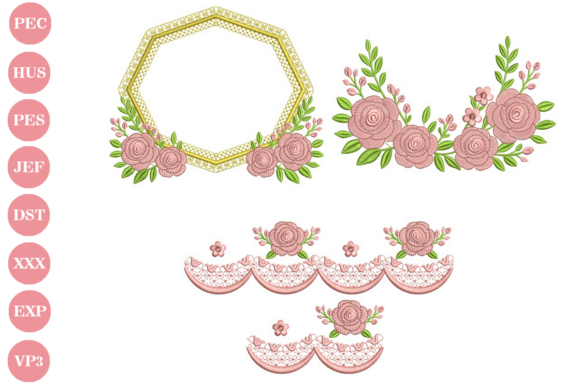
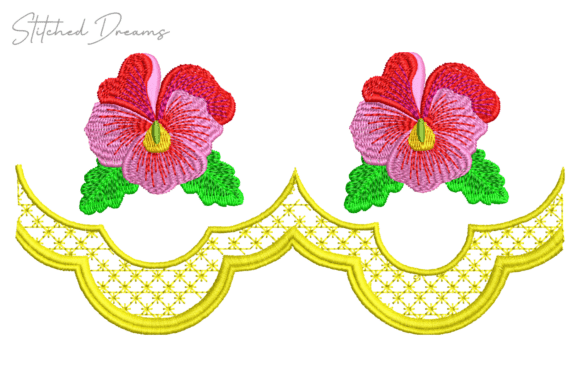
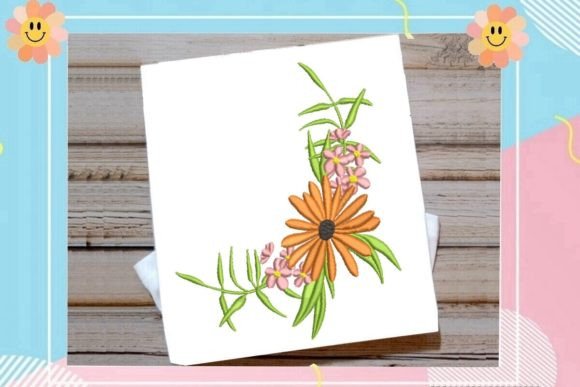
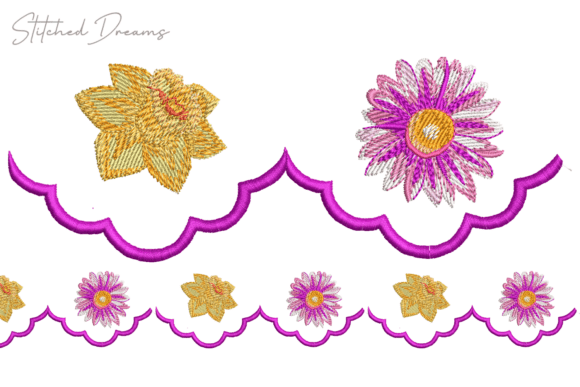
The visual mood of the Floral Border Embroidery Design strikes a sophisticated balance between vintage elegance and modern clarity. Unlike some digitized floral patterns that appear blocky or overly simplified, this design features fluid lines that mimic hand-stitched botanical illustrations. The interplay between the satin stitch outlines and the interior fill stitch areas creates a sense of depth without excessive bulk. For designers focused on nursery decor or bridal accessories, the motif offers a softness that translates beautifully to pastel thread colors, yet it possesses enough definition to stand out on darker fabrics when using high-contrast metallic or white threads.
From a digitizing perspective, the transition points are smooth. There are no jarring jumps or unnecessary trims visible in the preview, which suggests a clean digitization process. This is crucial for maintaining production speed during commercial embroidery runs where every second counts. The design feels intentional rather than auto-digitized, giving it a bespoke quality that discerning Etsy buyers often look for in a handmade product.
Performance on Apparel and Textiles
I tested this embroidery file across three distinct substrates to gauge its versatility: a heavyweight cotton sweatshirt, a medium-weight linen kitchen towel, and a structured canvas tote bag. Each material presents unique challenges for a border design, particularly regarding registration and fabric distortion.
Sweatshirts and Stretchy Knits
Applying a linear border to stretchy fleece requires careful stabilization. On the sweatshirt test, the Floral Border Embroidery Design held its shape remarkably well, provided a cut-away stabilizer was used generously. The stitch density is moderate; it provides coverage without creating a bulletproof patch effect that can cause puckering on knits. However, if you plan to place this border near the cuff or hem where tension is highest, I recommend adding an extra layer of tear-away backing to prevent the fabric from pulling away from the stitches over time.
Linen Towels and Woven Fabrics
This is where the design truly shines. Linen has a natural texture that complements the organic flow of the floral motifs. The running stitch details within the border acted as a guide, anchoring the heavier satin elements securely into the weave. For custom apparel or home goods sellers, this compatibility with natural fibers makes the design an excellent candidate for heirloom-quality baby blankets or wedding linens. The result was crisp, flat, and professionally finished right out of the hoop.
Tote Bags and Canvas
Canvas is unforgiving regarding needle penetration and alignment. The Floral Border Embroidery Design performed adequately here, but users should be mindful of the hoop size. Because borders are linear, ensuring your hoop is perfectly square and the fabric grain is straight is non-negotiable. A slight skew in hooping will be immediately obvious in a continuous floral pattern. Once aligned correctly, the design added significant perceived value to a standard blank tote, transforming it into a boutique-worthy item.
Commercial Viability and Product Value
For Etsy sellers and small business owners, the question isn't just "does it stitch well?" but "does it sell?" The Floral Border Embroidery Design adds immediate visual complexity to simple products. In product photography, borders frame the item naturally, drawing the eye across the surface and highlighting the craftsmanship. This is particularly effective for printable mockups or listing photos where you need to showcase texture.
Furthermore, this design serves as an excellent unifying element for brand consistency. If you sell a range of items—from aprons to pillow covers—using the same floral border creates a cohesive collection. Buyers trust shops that present a curated aesthetic. Whether used as a standalone feature on a personalized gift or as a framing element for monograms, this digital embroidery file enhances the perceived worth of the finished product. It moves beyond generic clip-art aesthetics into the realm of thoughtful textile design.
Practical Notes for Embroiderers
While the design is robust, successful implementation requires adherence to best practices. Based on my testing, keep these technical considerations in mind before starting a production run:
- Verify Specifications: Always check the specific hoop size, stitch count, and format compatibility listed on the Creative Fabrica product page. Do not assume the file fits your machine’s maximum field without confirming dimensions first.
- Test on Scrap Fabric: Never stitch a border directly onto a final product without a test run. Use a scrap of the exact material and stabilizer combination you intend to use to check for registration issues or density problems.
- Stabilizer Selection: For lightweight fabrics like batiste or voile, use a wash-away stabilizer to maintain the drape. For towels and fleece, a firm cut-away is essential to support the weight of the border stitches.
- Thread Contrast: Test thread colors on both light and dark backgrounds. Intricate floral details can get lost if the contrast is too low. Variegated threads can add beautiful dimension but may obscure fine running stitch details.
- Licensing Compliance: Before selling items featuring this design, review the license terms on Creative Fabrica. Ensure your intended use (e.g., physical products vs. digital redistribution) aligns with the creator's permissions.
- Placement Accuracy: Use alignment marks or basting boxes within your machine software. Borders require precision; even a 2mm shift can ruin the continuity of the floral pattern.
Evaluating Suitability for Your Business
The Floral Border Embroidery Design is a strong contender for designers seeking versatile, elegant ornamentation. It avoids the common pitfalls of overly dense or poorly mapped digitizing, making it suitable for both hobbyists and professionals. Its adaptability across various substrates—from delicate baby items to sturdy tote bag designs—makes it a high-utility asset in a commercial library.
However, success depends on the user's understanding of their own equipment and materials. This is not a "set and forget" file for difficult fabrics; it demands proper stabilization and hooping discipline. For those willing to put in the preparation work, the payoff is a refined, professional finish that elevates sweatshirt embroidery, nursery decor, and seasonal gifts alike. If you are looking to add a touch of botanical sophistication to your catalog, this design warrants a spot in your digital collection. Just remember to treat it with the technical respect that detailed applique design work and ornamental stitching deserve, and it will serve your business well.