Letter E Embroidery: A Designer’s Review for Small Business Branding
First Impressions: Elegant, Decorative, and Versatile
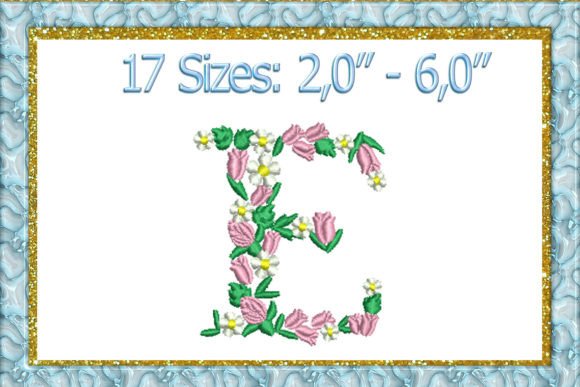
As an experienced embroidery designer, the Letter E Embroidery immediately stands out with its fancy vine monogram styling. The design feels both elegant and decorative, blending floral elements with a classic monogram structure. While it’s clearly rooted in traditional aesthetics, it has enough visual flair to work for modern small businesses looking to add a touch of sophistication to their merchandise.
This design falls into the Wedding Monogram category, which makes sense given its ornate layout. However, its adaptability goes beyond weddings—it can easily transition into boutique branding, artisan shops, or even pet and florist businesses that want a personalized, handcrafted appeal.
Real Business Use: From Patches to Product Packaging
Letter E Embroidery works well as a central brand mark across multiple small business applications. Here’s how it holds up in real-world use cases:
- Embroidered patches: The design’s balanced composition makes it ideal for standalone patches. It reads clearly as a letter E while maintaining decorative detail, which is crucial for brand recognition.
- Staff uniforms: On work shirts or aprons, this embroidery adds a professional yet personable touch—perfect for cafes, bakeries, or creative studios where approachability and attention to detail matter.
- Cap embroidery: The design adapts well to curved surfaces when resized appropriately. It maintains legibility and doesn’t lose detail, making it suitable for front or side cap placements.
- Tote bag design: When stitched onto tote bags, it serves as a minimalist yet memorable brand accent, especially when paired with neutral thread colors.
- Product packaging accents: As a stitched label or tag, it elevates handmade products, Etsy items, or boutique packaging with a premium, artisanal feel.
Whether you're creating small business merch, custom apparel, or handmade product tags, this design adds a level of polish that helps your brand stand out.
Where to Use with Care
While Letter E Embroidery is visually appealing, there are a few considerations for small business owners and embroidery professionals:
- Small patch sizes: Due to the intricate vine detailing, this design may lose clarity when stitched at very small sizes. Always test at intended dimensions before bulk production.
- Curved surfaces: Though it works on caps, ensure the hoop size and stitch density are appropriate to prevent distortion.
- Textured fabric: Highly textured or thick materials like denim or heavy canvas may cause detail loss in the finer vine elements.
- Dark uniforms: Thread color contrast is key. Consider light outlines or background stitches to ensure visibility on darker garments.
- Frequent washing: High stitch density can stiffen the fabric over time. Recommend using soft stabilizers and checking thread coverage for durability.
Brand Identity and Visual Consistency
For small businesses, consistent branding is critical—and Letter E Embroidery supports that goal. Its elegant yet recognizable shape makes it a strong candidate for a visual anchor across your merchandise line. Whether on a tote bag, apron, or embroidered patch, the design communicates professionalism and care in craftsmanship.
When used consistently, this machine embroidery design reinforces brand recognition. It also adds perceived value to your products, especially for Etsy sellers or handmade brands where a personal touch matters. The decorative nature of the design suggests quality and attention to detail, which can help build customer trust and engagement.
Designer Notes: Pre-Production Checklist
Before using Letter E Embroidery in a commercial setting, here are practical steps every embroidery professional should take:
- Test in black and white first: This helps identify any detail loss or density issues before committing to color threads.
- Check small patch sizes: Run a sample at the intended patch dimension to ensure clarity and stitch integrity.
- Review thread color contrast: Especially important for visibility on dark or textured fabrics.
- Inspect spacing and density: Avoid thread bunching or gaps that could compromise appearance or durability.
- Confirm hoop size: Ensure it fits within your embroidery machine’s capabilities and intended placement area.
- Test on real fabric: Always stitch a sample on the actual garment or material to assess texture interaction.
- Use proper stabilizer: A medium-weight tear-away or wash-away stabilizer works best for most applications.
- Create a printable mockup: Show clients how the design will look on the final product before stitching.
- Compare with other design assets: Ensure it aligns visually with your existing logo, fonts, and branding elements.
- Confirm commercial licensing: Since this is a digital embroidery file, verify that it’s licensed for commercial use before applying it to products for sale.
Final Thoughts: A Smart Choice for Small Business Embroidery
Letter E Embroidery offers a strong balance of decorative appeal and practical application. It’s a versatile embroidery file that small business owners and embroidery shops can confidently use across a range of merchandise—from uniforms to branded patches and beyond.
Whether you’re creating a custom apron embroidery set for a boutique café or designing embroidered labels for handmade goods, this design brings a touch of elegance without sacrificing functionality. Just remember to test thoroughly, choose the right thread and fabric combinations, and always align it with your brand’s visual language.